banner banner

The Power of Automotive Compounds

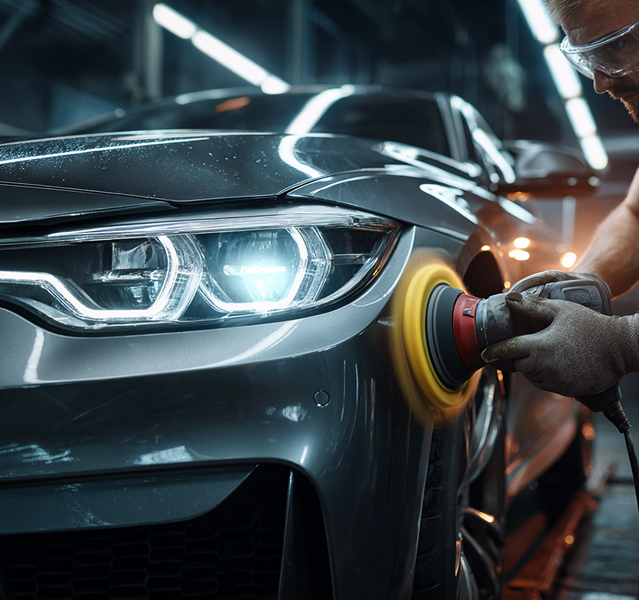
Automotive compounds are essential for restoring and refining vehicle paint surfaces. From removing scratches and swirl marks to reviving faded finishes, our formulations deliver smooth, flawless, and mirror-like results.

Whether for professional detailers or car enthusiasts, Cosmo Guard compounds ensure lasting protection and unmatched clarity.
Automotive Compounds

Our Range of Automotive Compounds

Professional solutions for every stage of paint perfection
Rubbing Compound

Rubbing Compound

Power in Precision

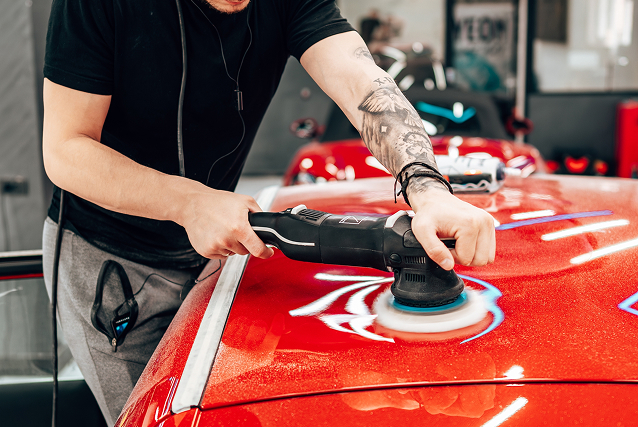
Cosmo Guard Rubbing Compound removes tough scratches, oxidation, and heavy swirl marks to restore clarity and prepare the surface for polishing. It's the essential first step toward flawless paintwork.
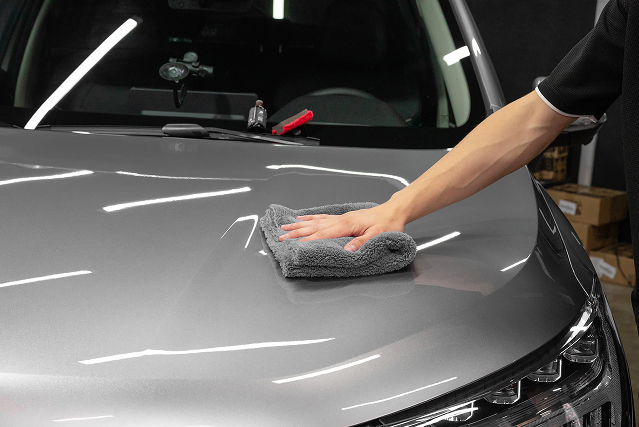
  • Removes heavy swirl marks and surface defects
  • Enhances gloss and color depth
  • Levels uneven paint surfaces
  • Ideal for pre-polishing treatments
Polishing Compound

Polishing Compound

Shine That Speaks

Cosmo Guard Polishing Compound refines and enhances your vehicle's paint, removing fine scratches and haze for a mirror-like, showroom-ready shine.

  • Provides high-gloss, radiant finish
  • Eliminates fine scratches and haze
  • Restores true color depth and clarity
  • Perfect final step before coatings

Ready to Protect Your Car?

© 2025 Cosmo First Limited. All rights reserved.

Frequently Asked Questions

A rubbing compound is an abrasive product used to remove or reduce heavier paint defects such as sanding marks, swirls, scratches, oxidation and surface imperfections. Cosmo Guard Rubbing Compound is designed for surface correction and leveling before refining the finish.

A polishing compound is used to refine the paint after heavier correction. It removes finer imperfections, improves clarity and enhances gloss. Cosmo Guard Polishing Compound is designed to refine the finish and boost gloss.

Rubbing compound provides stronger cutting for heavier defects. Polishing compound provides finer correction and higher gloss. In a typical correction process, rubbing comes first when needed, followed by polishing.

Cut refers to how aggressively a compound removes paint defects. Gloss refers to the level of shine and clarity it can produce. Generally, higher cut is suited to heavier defects, while higher gloss is associated with finishing and refinement./cosmo-guard/car-compound

A compound corrects paint defects through controlled abrasion. A polish refines the surface and enhances gloss. A wax primarily adds a protective layer and visual enhancement rather than correcting significant defects.

Paint correction is the process of improving a vehicle's paint by removing or reducing defects such as swirls, scratches, oxidation and sanding marks. It typically involves machine polishing with compounds and pads.

A two-step correction generally means cutting followed by polishing. A three-step process adds another finishing stage when the paint requires additional refinement. The exact process depends on the paint condition and desired finish.

Yes. Cosmo Guard rubbing and polishing compounds are silicone-free and contain no waxes or fillers. This makes them suitable for body-shop and professional paint environments where products should not mask surface defects.

The publicly available Cosmo Guard information confirms professional application, but does not currently specify compatibility with both DA and rotary polishers. This should therefore be confirmed against the product's technical data sheet before making a website claim.

The currently available public Cosmo Consumer product information does not specify the pack sizes for the rubbing and polishing compounds. This should be confirmed with the Cosmo Guard product team before publishing.

Cosmo Guard is available through Cosmo Consumer's professional and dealer network. Customers can contact Cosmo Consumer through its official contact page for product availability and purchasing information.

The current public Cosmo Consumer product information does not state the shelf life of the compounds. The final FAQ should use the shelf life specified on the product label or latest technical data sheet.

Use rubbing compound when the paint has heavier defects requiring more correction. Use polishing compound when the surface mainly needs refinement, clarity and gloss enhancement. Cosmo Guard offers both as part of its surface-correction system.

Yes. If the paint only has light imperfections or needs gloss enhancement, polishing compound can be used on its own. Not every car needs aggressive correction. Humanity has survived without compounding every scratch on every bonnet.

You can, depending on the paint and desired finish. However, a finishing polish may be recommended after heavier correction to further refine the surface, improve clarity and maximize gloss.

Clean and decontaminate the surface first. Work on a cool, clean panel using an appropriate polishing machine and pad. Apply a small amount of compound and work a manageable section at the recommended speed and pressure. Remove residue and inspect the finish before proceeding. Always follow the product's technical instructions and test an inconspicuous area first.

Haze can result from the compound and pad combination, excessive correction, incompatible paint hardness or micro-marring caused during the cutting stage. A suitable polishing or finishing step can usually refine the surface and restore clarity.

It can be possible on suitable automotive plastics, but the product must be confirmed as compatible with the specific plastic and headlight coating. Headlights may have UV-protective coatings that can be affected by aggressive correction. A test spot and manufacturer guidance are recommended.

Not necessarily. The surface should be properly cleaned, decontaminated and corrected where required before ceramic coating. Compounding is needed only when paint defects require correction. Cosmo Guard's compounds are specifically positioned for surface preparation before coating application.

Not necessarily. The paint should be clean, smooth and properly prepared before PPF installation. If significant defects are present, correction may be performed beforehand. However, unnecessary aggressive compounding should be avoided, particularly on factory paint.

No. Compound residue should be completely removed before ceramic coating. The paint needs to be clean and free from oils, residues and contaminants so the coating can properly bond with the surface.

Yes. The rubbing and polishing compounds are silicone-free and contain no waxes or fillers, making them suitable for professional paint and body-shop environments.

Interested dealers can contact Cosmo Consumer through its official contact page. The company also provides a Become a Dealer route on their website.

They are designed for professional surface correction and are positioned for professional use. Their silicone-free, wax-free and filler-free formulation also makes them suitable for professional paint environments. Suitability for specific fleet applications should be assessed based on the workshop's paint systems and correction requirements.

India's strong sunlight, UV exposure, heat, humidity, dust, pollutants and monsoon conditions can accelerate paint degradation. Oxidation becomes more noticeable when paint is exposed to these conditions without adequate protection and maintenance.

India's strong sunlight, UV exposure, heat, humidity, dust, pollutants and monsoon conditions can accelerate paint degradation. Oxidation becomes more noticeable when paint is exposed to these conditions without adequate protection and maintenance.