
Architectural
banner


Best Architectural Window Films in India for Residential Homes & Offices — Heat Control, UV Protection & Privacy


Make your spaces more appealing, energy-efficient, and functional with Cosmo Sunshield architectural window films India—your first line of defense against harmful UV rays and heat-causing infrared radiation. Engineered with advanced nano ceramic technology, these high-performance films protect interiors from sun damage, reduce glare, and minimize excessive cooling needs, ensuring lasting comfort in any environment.

Our premium architectural window films are designed to meet the diverse demands of modern living and workspaces. From residential window film India that shield homes from heat and fading interiors, to Home window film India that enhance productivity by reducing glare and maintaining balanced indoor temperatures, Cosmo Sunshield offers tailored solutions for every application. By lowering energy consumption and extending the life of interiors, they deliver both economic savings and environmental benefits.

Beyond protection, Cosmo Sunshield films add a touch of elegance while preserving natural light, creating spaces that are safer, more comfortable, and aesthetically refined—making them a smart, long-term investment for homes, offices, and commercial buildings alike.

Architectural
Architectural
Architectural

Our Architectural
Films Offer

Cosmo Sunshield has engineered products to exceed expectations in industries across the globe.

Reduced Heat

Reduced Heat

Block up to 95% IR rays
Saving

Saving

Up to 10% saving on Air Conditioning bills.
Reduced Glare

Reduced Glare

Creates a comfortable, eye-friendly environment by minimizing screen
Increased Privacy

Increased Privacy

Maintain up to 95% privacy while embracing natural light
Shatter Resistance

Shatter Resistance

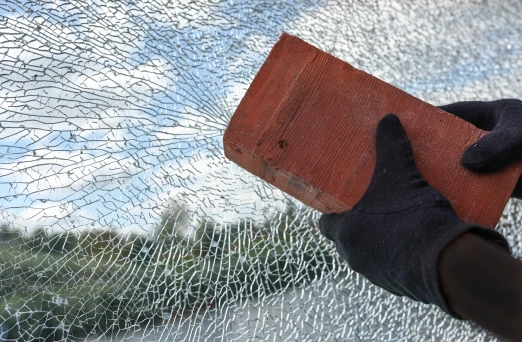
Holds shattered glass together, preventing injuries and securing valuables
Enhanced Safety

Enhanced Safety

Fortified windows deter break-ins and protect belongings from shattered glass
Scratch & Tear Resistance

Scratch & Tear Resistance

Protects windows from everyday wear and tear
Better Aesthetics

Better Aesthetics

Wide range of shades available

Our Solutions

Heat Control Films

Strike the balance between natural light, UV protection and comfort with our exclusive Sun Protection Films. Eliminate excessive heat and achieve cost savings with Sunshield sun protection films.

Learn More

Safety & Security Films

The cutting-edge security solution to shield what matters. Our Safeguard series is engineered to protect against impact and intrusion while offering unparalleled clarity and enhancing aesthetics.

Learn More

Privacy Films

Experience ultimate privacy with Sunshield Privacy Window Films. Designed for one-way visibility, these films ensure your space is protected from prying eyes without compromising natural light.

Learn More
Our solutions
Our solutions
Our solutions

Contact Us

Have questions or need assistance? Get in touch with us, and we’ll be happy to help!

Scan QR for WhatsApp:


1800 57 00057

sunshield@cosmofilms.com


By submitting this form or by contacting us via WhatsApp/Email/Phone, you agree to our Privacy Policy and Terms of Use.

Frequently Asked Questions

Architectural window film is a thin, multi-layer film, usually polyester or nano-ceramic, applied to the interior surface of building glass. It controls how much heat, UV, and visible light pass through without replacing the window itself. Cosmo Sunshield architectural films are used across homes, offices, and commercial buildings to improve comfort, cut glare, and add safety or privacy.

Architectural window film works by absorbing, reflecting, or scattering solar energy before it passes through the glass. Depending on the type, it uses light-absorbing pigments, a reflective metallic layer, or nano-ceramic particles to block infrared heat and UV rays while still letting visible light through, keeping interiors cooler and more comfortable.

Window film cuts indoor heat, blocks over 99% of UV rays, reduces glare, and protects furniture and flooring from fading. It also adds privacy, improves safety by holding shattered glass together, and can lower AC bills by up to 10%, all without the cost or disruption of replacing existing glass.

It depends on the film, but Cosmo Sunshield's architectural range blocks up to 96% of infrared heat, the part of sunlight responsible for most of the warmth you feel indoors. Higher-end nano-ceramic and spectrally selective films reject the most heat while still keeping rooms bright.

Yes. By blocking most of the infrared heat entering through glass, window film reduces how hard your AC has to work to keep a space cool. Cosmo Sunshield films can cut air conditioning costs by up to 10%, especially in glass-heavy offices and buildings with strong sun exposure.

VLT is the percentage of visible light that passes through a window film and glass combined. A higher VLT means a brighter, more see-through look, while a lower VLT means a darker tint. It's one of the key specs used to compare films and choose the right shade for a space.

TSER stands for Total Solar Energy Rejected, the percentage of total solar energy (heat, light, and UV combined) a film blocks. It's a useful number, but it can be inflated simply by blocking more visible light. That's why Cosmo Sunshield also highlights IRR (Infrared Rejection), a more direct measure of actual heat blocked.

Most quality architectural window films, including Cosmo Sunshield's range, block over 99% of UV rays. Since UV is the main cause of fading in furniture, flooring, artwork, and fabrics, and a factor in sun damage to skin, this level of protection is one of the film's biggest everyday benefits.

Yes. By cutting the amount of visible light and reflected sunlight coming through the glass, window film reduces the glare that makes screens hard to read and eyes tired by end of day. This makes it especially useful in offices, control rooms, and any workspace with large windows facing the sun.

Cosmo Sunshield's architectural range spans a few categories: Heat Control Films (like the economical Rainbow series and premium, spectrally selective Ultra Cool Series), Safety & Security Films (including the Safeguard series), and Privacy Films with various shades and metallic finishes. Each is built around a different priority, whether that's heat, safety, or privacy.

Metallized film uses a thin reflective metal layer to bounce back heat and light, which can sometimes interfere with cell signal or Wi-Fi. Ceramic film uses nano-sized ceramic particles instead, delivering strong heat rejection with lower haze, higher clarity, and no signal interference, since it's non-metallic and non-conductive.

A spectrally selective window film is engineered to target and block the infrared, heat-causing part of sunlight while letting more visible light pass through. This means you get strong heat rejection without a dark, tinted look. Cosmo Sunshield's Ultra Cool Series is built on this spectrally selective, clear heat-rejection technology.

Yes, that's actually the main appeal. Architectural window film is applied directly to your existing glass, so there's no need to replace windows or disturb the building structure. It's a faster, less disruptive, and more affordable way to upgrade heat rejection, UV protection, or safety performance.

Quality architectural window film typically lasts many years, often a decade or more, when properly installed and maintained. Lifespan depends on film grade, climate exposure, glass orientation, and how well it's cared for. Premium nano-ceramic films with scratch-resistant coatings tend to hold up better over time than economical dyed films.

Not necessarily, it depends on the film's VLT. Spectrally selective films like Cosmo Sunshield's Ultra Cool Series reject heat while keeping rooms bright and clear, whereas darker privacy or reflective films naturally reduce interior brightness more. You can choose a shade based on how much natural light you want to keep.

Properly specified and professionally installed window film does not cause glass to crack. Thermal stress cracking is a risk mainly with certain glass types, thicknesses, or shading conditions, which is why a good installer checks the glass first and recommends the right film to avoid that risk.

Yes, and it's one of the fastest-growing uses for window film here. India's intense sun and high cooling costs make commercial buildings, offices, malls, and hospitals ideal candidates. Cosmo Sunshield's architectural range is built for Indian conditions, cutting AC load, glare, and UV exposure across large glass facades.

Fading is caused mainly by UV rays and, to a lesser extent, heat and visible light. Since architectural window film blocks over 99% of UV, it removes the biggest cause of sun damage to furniture, flooring, artwork, and fabrics, helping interiors keep their color and condition for much longer.

Low-emissivity, or low-E, window film has a coating that reflects heat back toward its source instead of letting it transfer through the glass. In hot climates, it keeps heat outside; in cold climates, it can help keep indoor heat in, improving year-round energy efficiency for a building.

Yes. Because window film improves a building's energy performance by reducing solar heat gain and cooling load, it can contribute toward green building certifications like LEED and IGBC, particularly under energy efficiency and indoor environmental quality categories. Documentation from the manufacturer is usually needed to support the credit application.

Cost varies based on film type, building size, glass area, and installation complexity, ranging from economical dyed films to premium nano-ceramic options. Rather than a fixed per-square-foot number, it's best to get a site-specific quote, which Cosmo Sunshield can provide based on your building's actual requirements.

For most existing buildings, yes, mainly on cost and disruption. Window film delivers a large share of the heat and UV rejection benefits of new energy-efficient glass at a fraction of the cost, without construction downtime. Replacing glass entirely only makes sense for new builds or major renovations.

Architectural window film is installed by trained technicians who thoroughly clean the glass, then apply the film using a mounting solution and squeegee to remove air bubbles and ensure a smooth finish. Larger commercial jobs are typically done floor by floor to minimize disruption to building occupants.

Clean film-coated glass with a soft cloth or squeegee and a mild, ammonia-free glass cleaner. Avoid abrasive scrubbers or sharp tools that could scratch the surface. Most Cosmo Sunshield films include a scratch-resistant coating, but gentle regular cleaning still helps preserve clarity and performance over the film's lifetime.

Yes. Professionally installed window film can be removed from glass without damaging it, typically using heat and a scraper to soften the adhesive. It's a straightforward process for a trained installer, whether you're upgrading to a newer film or switching to a different type or shade.

For India's intense heat, a spectrally selective or nano-ceramic film with high infrared rejection, like Cosmo Sunshield's Ultra Cool Series, performs best. These films block the most heat while keeping interiors bright, making them ideal for regions with long, harsh summers and heavy AC dependence.

Yes, though its main job is blocking summer heat. Certain films, particularly low-E and dual-reflective types, also help retain indoor warmth in cooler months by reflecting heat back inside. In India's mostly hot climate, year-round comfort and cooling savings are usually the bigger benefit.

Higher-VLT and spectrally selective films maintain good night visibility, while darker reflective or privacy films can reduce outward clarity after dark, since less light passes through in both directions. Cosmo Sunshield's ceramic and Ultra Cool ranges are engineered to preserve night vision better than typical reflective films.

Start with your priority: heat and AC savings, glare reduction, privacy, or safety. Then factor in your glass type, sun exposure, and how much natural light you want to keep. Cosmo Sunshield's Energy Saving Calculator and dealer network can help match a film to your office's specific setup.

Yes. Cosmo Sunshield architectural films are used across large-scale commercial projects, including offices, malls, hospitals, and institutional buildings, backed by Cosmo First's four decades of specialty film manufacturing. For large projects, Cosmo Sunshield supports site assessment, product selection, and professional installation through its dealer and partner network.