Safety & Security Films
banner

Best Safety & Security Window Films in India - Shatterproof, Anti-Graffiti & Break-In Resistant

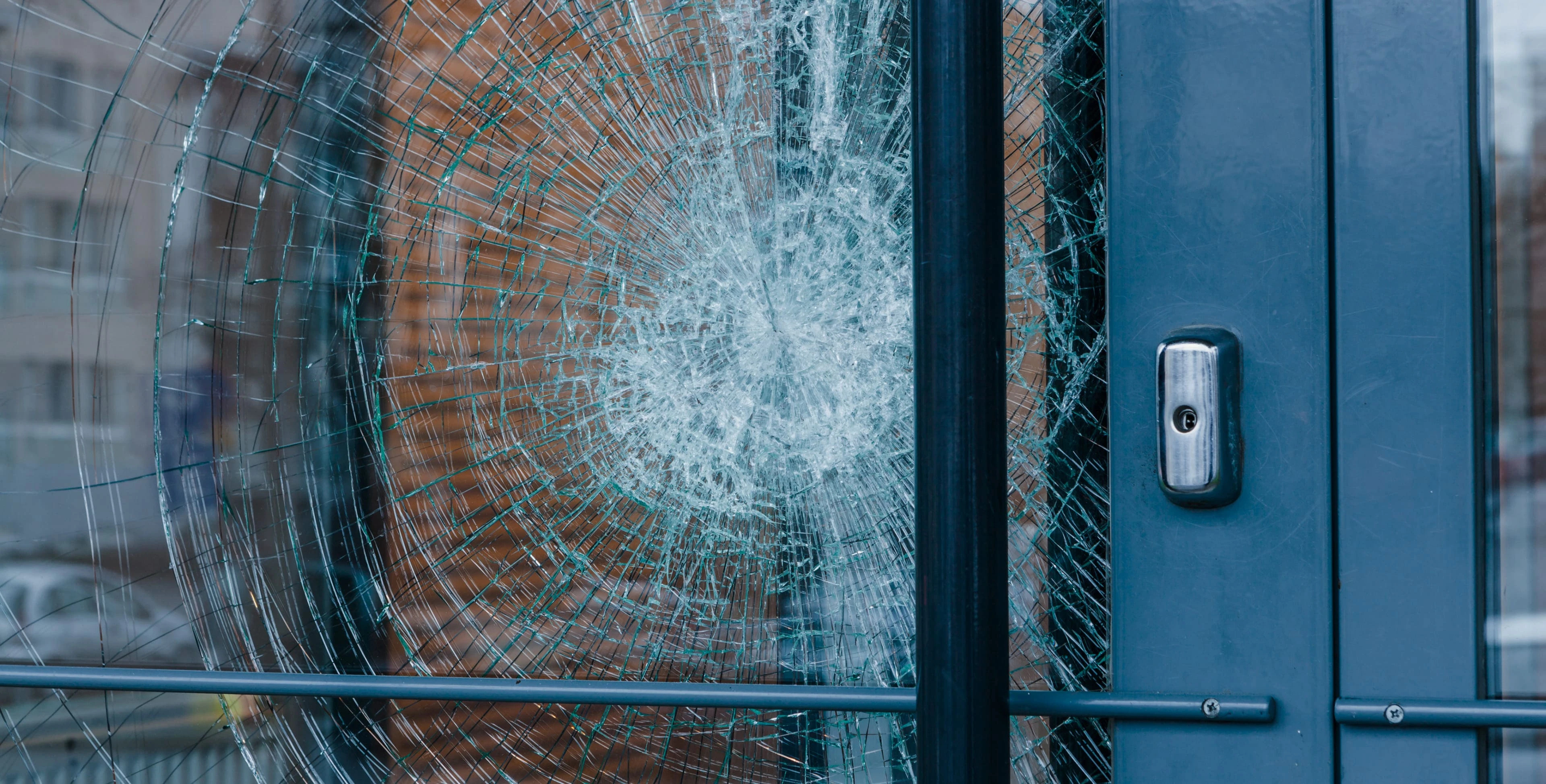
Strengthen your space with Cosmo Sunshield’s advanced safety window film for home—engineered to provide shatter resistance and reliable protection. By holding broken glass in place, our films help prevent accidents, reduce the risk of injuries, and add an essential layer of security to any building.

Designed with high transparency, scratch-resistant coating, and anti-graffiti properties, Cosmo Sunshield break-in resistant window film deliver robust protection without compromising on natural light or aesthetics.

With accidental glass breakage protection film Home, schools and other institutional settings, our solutions enhance both safety and peace of mind. As a trusted safety & security film manufacturer, Cosmo Sunshield provides durable, high-performance films that combine strength, elegance, and functionality for modern architectural needs.
video-bg

Our exclusive range of film offers

Shatter Resistance

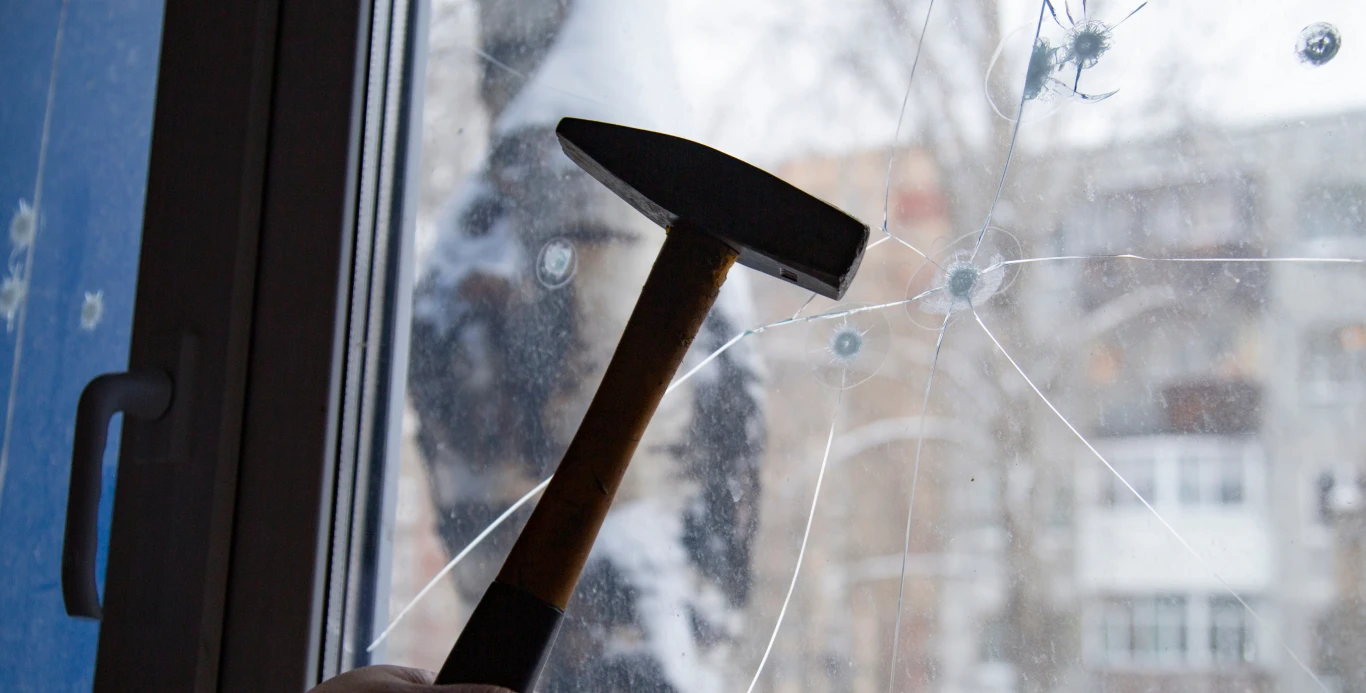
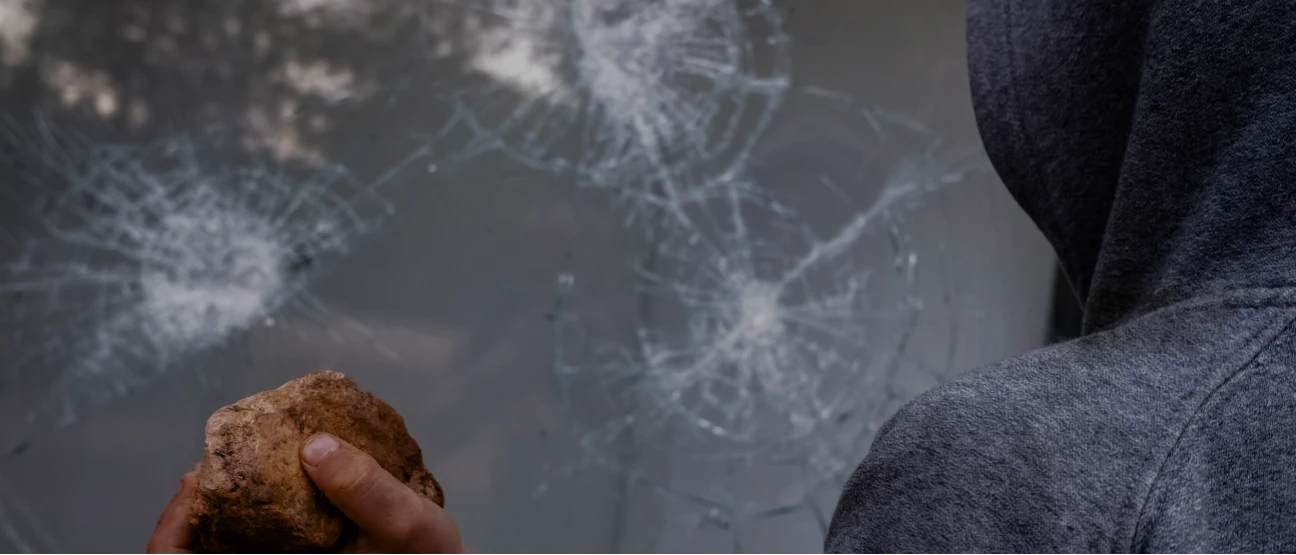
Robbery & Security Breach Prevention

Accidental Glass Breakage Protection

Sun UV Protection

Products

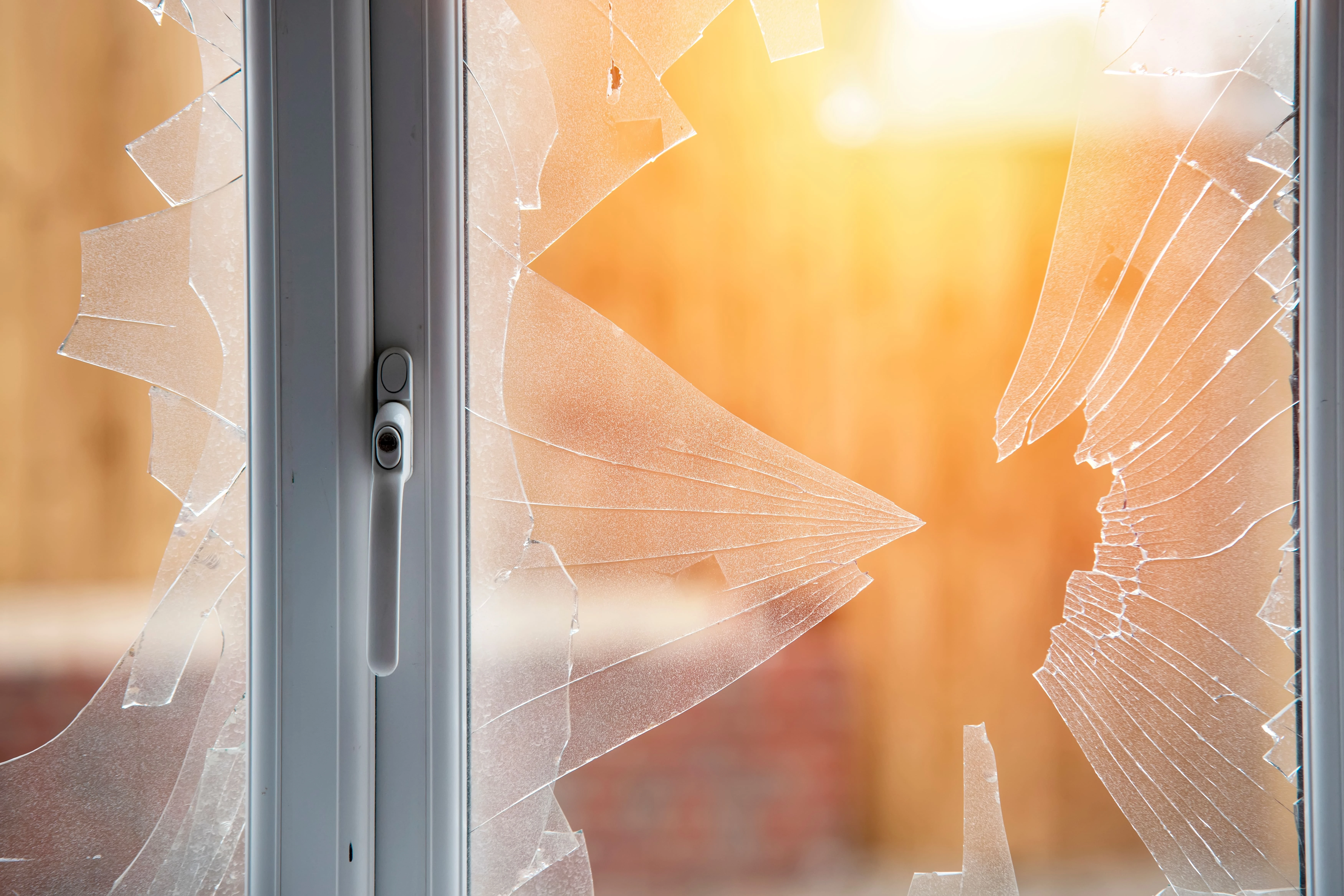
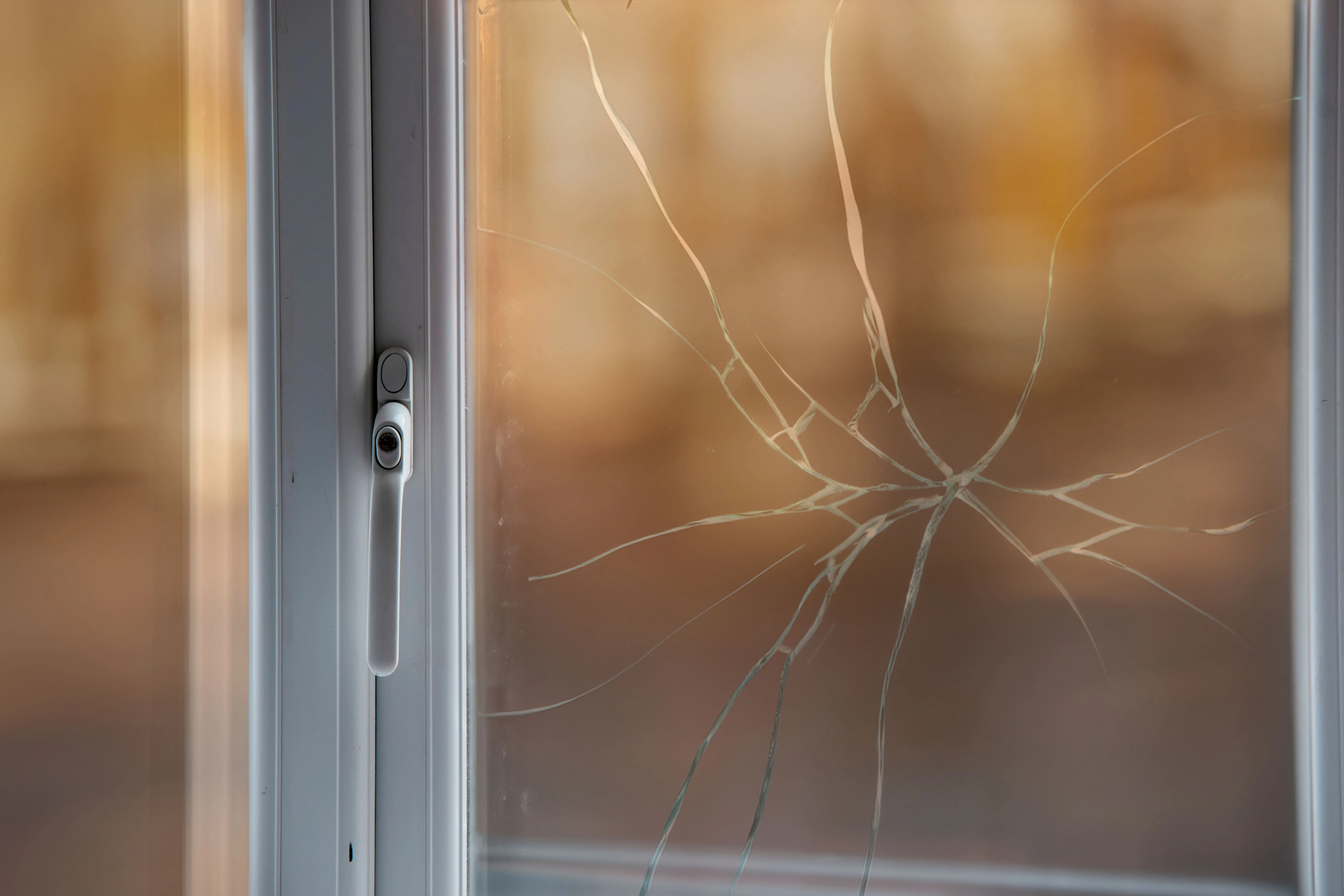
Before
After

Resources Download

Download to know more.

Looking for a Better Solution?

Contact Us

Frequently Asked Questions

Safety and security window film is a thicker, reinforced film applied to glass that holds shattered pieces together on impact instead of letting them scatter. It's used to reduce injury from accidental breakage, storms, and forced entry attempts. Cosmo Sunshield's Safeguard series is built for homes, schools, offices, and commercial buildings.

Security window film adds a strong, tear-resistant layer that holds glass together when it's struck, so it takes far more time, noise, and force to break through. Instead of shattering into an open hole in seconds, the glass stays intact in the frame, often long enough to discourage an intruder or trigger an alarm response.

No, standard security window film is not bulletproof. It's designed to hold shattered glass together and resist forced entry, not stop bullets. True bullet resistance requires specialized laminated glass systems built and certified for that purpose. Security film is best understood as delaying and injury-reducing protection, not ballistic protection.

Thickness is measured in mils, and the right choice depends on your risk level. Lighter films, around 4-8 mil, suit basic safety against accidental breakage, while thicker films of 8 mil and above are used for higher-risk areas like ground-floor windows or spaces needing stronger forced-entry resistance. A specialist can recommend thickness based on your glass and location.

Security film won't make glass unbreakable, but it makes forced entry much harder and slower. Because the film holds shattered glass in the frame, a burglar has to strike the same spot repeatedly to create an opening, which takes time and noise most intruders want to avoid. Paired with a proper attachment system, it becomes a strong deterrent.

During high winds, flying debris can shatter windows and send dangerous glass shards flying indoors. Safety film holds the glass together even when it cracks, keeping it in the frame instead of turning it into a projectile. This reduces injury risk and helps keep wind and rain from pouring in through a broken window.

Certain specialized security films, tested to standards like ASTM F1642 and GSA TS01, are designed to hold glass together under blast overpressure and reduce the hazard of flying fragments. This blast-mitigation category typically uses thicker films combined with a structural frame anchoring system, and is generally specified for government, embassy, or high-security buildings rather than standard homes or offices.

Schools install security window film mainly to slow down intruders and reduce injury from broken glass during accidents, storms, or forced-entry attempts. Since it holds shattered glass together instead of letting it scatter, it buys valuable time during a lockdown situation and protects students from glass-related injuries in everyday accidental breakage too.

Yes, when paired with the right thickness and a proper frame attachment system. Security film significantly increases the time and force needed to break through a window or door, which can be critical during a lockdown. It's typically used alongside other security measures like locks, alarms, and access control rather than as a standalone solution.

Yes. Hospitals have large glass areas, high foot traffic, and vulnerable patients, making glass-related injury risk a real concern during accidents, storms, or security incidents. Safety film holds shattered glass together, reducing injury risk, while also helping with glare control, UV protection, and privacy in patient areas and public corridors.

Government offices often handle sensitive information and face a higher security threat profile, so many specify security film tested to standards like ASTM F1642, GSA TS01, or UL 972 for forced-entry and blast resistance. It's a cost-effective way to reinforce existing glass without replacing entire window and door systems.

Yes, that's its core function. When glass cracks or shatters, the film's strong polyester layer keeps the fragments bonded in place instead of falling apart or scattering. This significantly reduces the risk of injury from glass shards and helps the window keep its structural integrity until it can be repaired.

Common industry standards include ASTM F1642 and GSA TS01 for blast resistance, ASTM F588 and F842 for forced-entry resistance, UL 972 for burglary resistance, and safety glazing standards like ANSI Z97.1 for impact safety. Always ask for documented test data and certificates specific to the product and attachment system you're specifying.

Cost depends on the film's thickness, performance level, and whether a structural attachment system is included, since basic safety film costs far less than blast-rated or forced-entry-certified security film. Rather than a single price point, it's best to get a site-specific quote based on your glass area and required protection level.

Yes, in a specific way. Safety and security film won't prevent glass from cracking during an earthquake, but it holds the shattered pieces together in the frame, reducing the risk of falling glass injuring people inside or outside the building during and after the tremor.

Most annealed, tempered, and laminated glass types can accept safety film, but the glass type, age, and condition affect performance and which film or attachment system is appropriate. Older or already-stressed glass may need assessment first. A professional installer typically checks the glass before recommending a specific film.

Not significantly, if you choose a clear or low-visibility option. Cosmo Sunshield's Safeguard series is transparent and designed to preserve the glass's natural appearance while adding protection. Thicker or tinted security films may have a slightly more noticeable finish, so it's worth reviewing samples before installation.

Security window film is installed by trained technicians who clean the glass, apply the film with a mounting solution, and remove air bubbles with a squeegee for a smooth finish. For serious forced-entry or blast protection, the film's edges are also secured to the frame with a structural attachment system, not just applied to the glass alone.

Yes. A common cause of injury at home is a child running into or falling against a glass door or window, which can shatter into sharp shards. Safety film holds the glass together on impact, significantly reducing the chance of cuts and other injuries, making it a popular choice for family homes.

Safety film mainly protects against accidental breakage, like a fall, a stray ball, or storm debris, by holding shattered glass together. Security film goes further, using thicker material and a structural attachment system to resist deliberate forced entry or blast events. Security film is essentially a higher-performance category built for intentional threats.

It can significantly slow it down. Standard glass can be broken open in seconds, but security film with proper thickness and frame attachment makes the same glass take far longer to breach, often enough to deter opportunistic thieves or give time for an alarm response before they get inside.

Blast-resistant window film is typically 10 to 15 mil or thicker, well above standard safety film, and is always installed with a structural anchoring system rather than applied to the glass alone. The exact thickness and system depend on the blast pressure rating required for the specific building and threat level.

Yes, that's its core purpose in the security category. Delay times vary based on film thickness. A properly specified system can meaningfully extend the time needed to break through.

Yes, and it's increasingly common in both settings. Indian schools and offices use safety and security film to reduce injury risk from accidental glass breakage, storms, and forced-entry attempts, while also benefiting from the added heat rejection and glare control that films like Cosmo Sunshield's Safeguard series provide.

Start by defining your main risk, whether that's accidental breakage, storm damage, theft, or a higher-security threat like forced entry. Then match film thickness and attachment system to that risk level and your glass type. Cosmo Sunshield's team can help assess your building and recommend the right combination of film and installation method.

Cosmo Sunshield backs its architectural films, including the Safeguard series, with manufacturer warranties covering material and performance defects under normal use. Exact warranty terms vary by product line, so it's best to confirm the specific coverage period and conditions for your chosen film through Cosmo Sunshield's dealer network or documentation.