Ultra Cool Series
banner


Ultra Cool Series Clear Heat Rejection Films

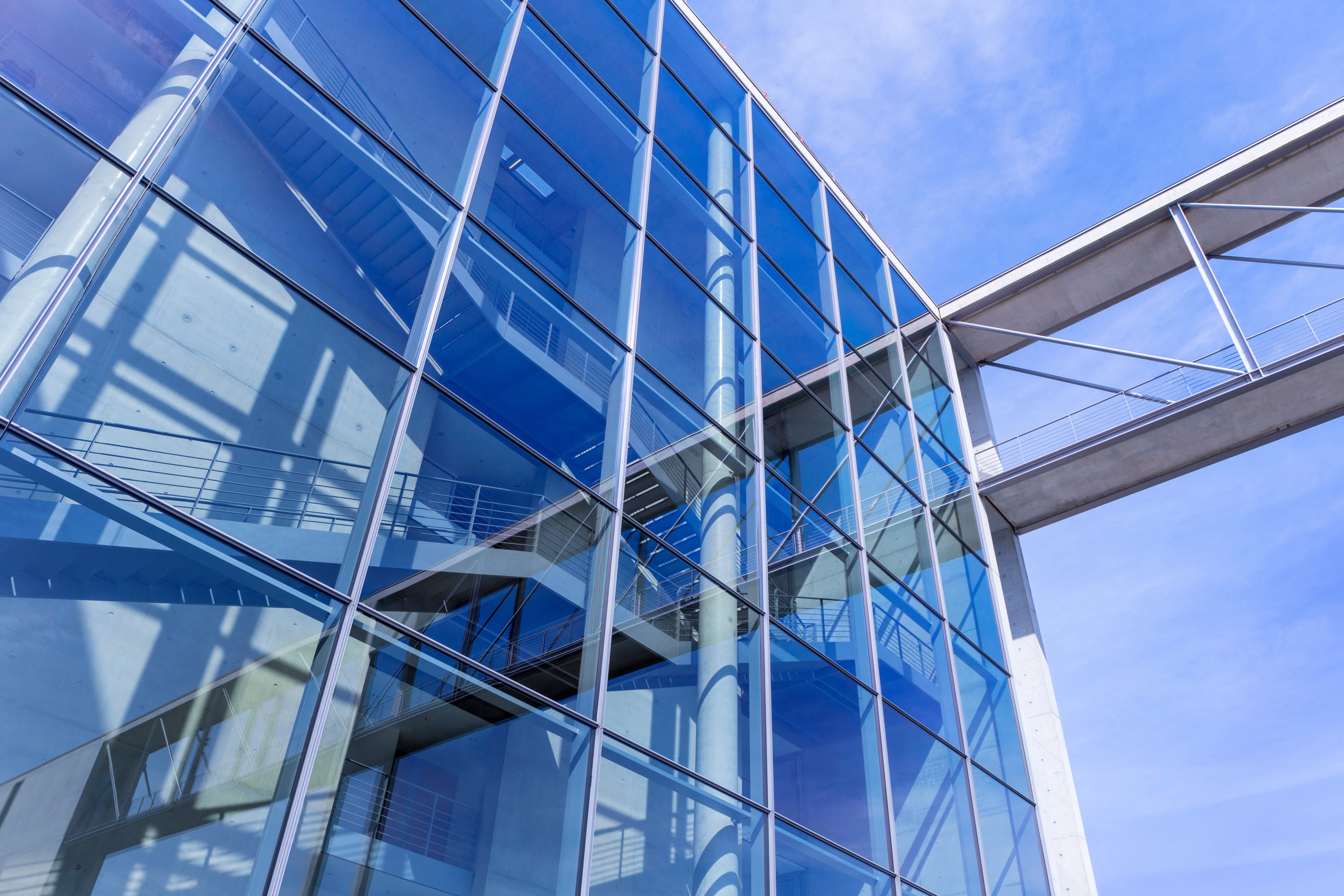
Ultra Cool Series by Cosmo Sunshield is a premium range of clear, spectrally selective heat rejection window films engineered for architects, specifiers, and discerning homeowners who refuse to trade daylight for comfort. Blocking up to 96% of solar heat and over 99% of UV radiation while maintaining visible light transmission up to 85%, Ultra Cool films preserve natural illumination, outdoor views, and the clean aesthetic of uncovered glass. Ideal for commercial facades, hospitality interiors, green-building projects, and high-end residential applications where both performance and design integrity are non-negotiable.
Ultra Cool Series
Ultra Cool Series
Ultra Cool Series

Applications

Residential Applications

Residential Applications

Commercial Buildings

Commercial Buildings

Automotive Applications

Automotive Applications

Railways & Marine Facilities

Railways & Marine Facilities

Benefits

Up to 95% IR rejection and more than 99% UV Protection

Up to 95% IR rejection and more than 99% UV Protection

Save up to 10% on electricity bills

Save up to 10% on electricity bills

Up to 95% Privacy

Up to 95% Privacy

Glare free comfortable indoor spaces that improve eye health

Glare free comfortable indoor spaces that improve eye health

Products Products
Solar Properties
Thickness Colour Visible Light Transmission Ultra Violet Rejected Heat Rejected Total Solar Energy Rejected Glare Reduction Shading Coefficient SHGC (G-Value)
CS-500-PA-0580 2 Ply 1.5 MIL Transparent 5% >99% 77% 60% 93% 0.45 0.4
CS-500-PA-4065 2 Ply 1.5 MIL Transparent 39% >99% 64% 46% 68% 0.61 0.55
CS-500-PA-0580 2 Ply 1.5 MIL Transparent 5% >99% 77% 60% 93% 0.45 0.4
CS-600-PAC-1590 2 Ply 1.5 MIL Transparent 13% >99% 51% 66% 86% 0.38 0.34
CS-600-PAC-3090 2 Ply 1.5 MIL Transparent 30% >99% 90% 60% 78% 0.46 0.41
CS-600-PAC-3595 2 Ply 1.5 MIL Transparent 34% >99% 96% 60% 74% 0.45 0.4
CS-601-PACGP-5095 2 Ply 1.5 MIL Graphite 57% 92% 92% 52% 35% 0.54 0.48
CS-501-PAGP 5045 2 Ply 1.5 MIL Transparent 50% >99% 51% 41% 44% 0.66 0.59
CS-601-PACGP-0595 2 Ply 1.5 MIL Graphite 5% >99% 95% 70% 93% 0.35 0.31
CS-650-CT-8065 2 Ply 1.5 MIL Transparent 83% >99% 65% 32% 5% 0.77 0.68
CS-650-AC-8060 2 Ply 1.5 MIL Transparent 81% >99% 59% 30% 7% 0.78 0.7
CS-650-IT-8560 2 Ply 1.5 MIL Transparent 85% >99% 59% 29% 3% 0.8 0.71
CS-650-PAC-5075 2 Ply 1.5 MIL Transparent 54% >99% 75% 46% 38% 0.61 0.55
CS-601-PACGP-5095 2 Ply 1.5 MIL Graphite 57% >99% 92% 52% 35% 0.54 0.48
CS-650-AC 7090 2 Ply 1.5 MIL Transparent 70% >99% 93% 49% 25% 0.57 0.52
CS-650-AC 7465 2 Ply 1.5 MIL Transparent 74% >99% 65% 37% 17% 0.71 0.63
CS-500-PA 0580 2 Ply 1.5 MIL Transparent 5% >99% 77% 60% 93% 0.45 0.4
Download PDF

Contact Us

Have questions or need assistance? Get in touch with us, and we’ll be happy to help!

Scan QR for WhatsApp:


1800 57 00057

sunshield@cosmofilms.com


By submitting this form or by contacting us via WhatsApp/Email/Phone, you agree to our Privacy Policy and Terms of Use.

Frequently Asked Questions

Cosmo Sunshield Ultra Cool Series is a premium architectural window film designed to reject solar heat and UV radiation while maintaining natural daylight and outdoor views. It uses spectrally selective technology to target heat-causing infrared radiation without requiring a dark or highly reflective appearance. The series is designed for residential, commercial, hospitality, and other architectural applications.

A spectrally selective window film is designed to block specific wavelengths of solar radiation, particularly heat-causing infrared energy, while allowing more visible light to pass through. This allows a building to reduce solar heat gain without making the glass unnecessarily dark. Ultra Cool is specifically described by Cosmo Sunshield as a spectrally selective heat-rejection film.

Ultra Cool achieves this through spectrally selective and nano-ceramic technology, which targets infrared heat rather than simply relying on visible-light reduction. As a result, some Ultra Cool variants combine high heat rejection with high VLT, including variants with 70%, 74%, 81%, 83%, and 85% VLT.

The Ultra Cool Series uses Nano Ceramic Technology. Cosmo Sunshield states that the series achieves heat rejection without relying on highly reflective metals. The company also describes nano-ceramic films as non-metallic and Wi-Fi friendly.

The Ultra Cool Series is specified as a 2-ply, 1.5 mil film construction across the listed architectural variants.

No, Ultra Cool is designed as a clear, low-reflectivity heat-rejection solution rather than a highly reflective architectural film. The official product description emphasizes maintaining the clean appearance of uncovered glass and preserving outdoor views.

The Ultra Cool Series offers a wide range of Visible Light Transmission (VLT) options, from 5% to 85%, depending on the variant. For applications where maintaining maximum daylight is important, the range includes 70%, 74%, 81%, 83%, and 85% VLT options.

Ultra Cool is designed to maintain a clean, clear architectural appearance, with most variants listed as transparent. The range also includes specific graphite variants, so the final appearance depends on the selected film.

The transparent Ultra Cool variants are designed to maintain the appearance and views of existing glass while adding solar-control performance. However, “virtually invisible” should not be treated as a technical specification because appearance can vary with VLT, glass type, lighting conditions, and the selected variant.

Yes. Ultra Cool is specifically designed to preserve outdoor views and natural illumination while reducing solar heat. Its higher-VLT transparent variants are particularly suited to applications where maintaining daylight and visibility is a priority.

Yes. The architectural Ultra Cool Series includes 81%, 83%, and 85% VLT transparent variants. These allow substantial visible light transmission while still providing UV and heat-rejection performance.

The listed Ultra Cool variants provide 51% to 96% heat/infrared rejection, depending on the film. The highest listed value is 96% for CS-600-PAC-3595, while several other variants provide more than 90% heat rejection.

IR rejection measures the amount of infrared heat rejected, while TSER measures the total amount of solar energy rejected across the relevant solar spectrum. They are therefore different performance measurements. A film can have very high IR rejection without having the same percentage of TSER because visible and other solar energy components are also considered in total solar energy performance.

The SHGC (Solar Heat Gain Coefficient) of the listed Ultra Cool variants ranges from 0.31 to 0.80. A lower SHGC indicates that less solar heat is transmitted through the glazing system. The exact value depends on the selected film.

The listed Ultra Cool variants have shading coefficients ranging from 0.35 to 0.80. The exact value varies according to the film's VLT and solar-control characteristics.

This depends on whether maximum heat rejection or maximum daylight is the priority. CS-600-PAC-3595: 34% VLT and 96% heat rejection, CS-650-AC 7090: 70% VLT and 93% heat rejection, CS-650-AC 7465: 74% VLT and 65% heat rejection & CS-650-IT-8560: 85% VLT and 59% heat rejection. Therefore, CS-650-AC 7090 provides a combination of high visible-light transmission and 93% listed heat rejection, while CS-600-PAC-3595 provides the highest listed heat rejection overall.

It can, depending on the film technology and specific variant. Ultra Cool includes transparent films with very high heat rejection. For example, the transparent CS-600-PAC-3595 has 34% VLT and 96% heat rejection, while the transparent CS-650-AC 7090 has 70% VLT and 93% heat rejection.

Yes. By reducing the amount of solar heat entering through windows, architectural heat-control films can help reduce indoor heat gain and ease the load on HVAC systems. Cosmo Sunshield specifically describes architectural heat-control films as helping regulate indoor temperatures and ease HVAC loads.

Cosmo Sunshield states that the Ultra Cool Series can provide up to 10% savings on electricity bills. This should be treated as a manufacturer-stated potential saving rather than a guaranteed saving, because actual results depend on factors such as glass area, building orientation, climate, HVAC efficiency, occupancy, and existing glazing.

Yes. Most listed Ultra Cool variants reject more than 99% of UV radiation. The current technical table lists 92% UV rejection for the CS-601-PACGP-5095 graphite variant, so the exact UV performance depends on the selected film.

Yes. The listed Ultra Cool variants provide glare reduction ranging from 3% to 93%, depending on VLT and film type. Darker variants generally provide greater listed glare reduction, while high-VLT films prioritize maintaining daylight.

Yes, it can help reduce UV-related fading. The Ultra Cool Series provides high UV rejection, with most listed variants rejecting more than 99% of UV radiation. Since UV exposure is a major contributor to fading of furnishings, fabrics, flooring, and artwork, reducing UV transmission can help protect interior materials.

Yes. By reducing solar glare entering through windows, architectural window film can make screens and monitors easier to view in bright offices. Ultra Cool variants offer measurable glare reduction, with the exact reduction depending on the selected film.

The Ultra Cool Series is designed for architectural applications including homes, commercial buildings, hospitality spaces, commercial facades, and high-end residential projects. It is particularly suited to buildings with large areas of glass where heat control and natural daylight are both important.

Yes. Ultra Cool is designed for residential applications where occupants want to reduce solar heat and UV exposure while maintaining natural daylight and outdoor views. Different VLT options allow homeowners to select the desired balance between light transmission, glare reduction, and heat rejection.

Yes. The series is specifically positioned for commercial buildings and architectural applications. It can be used to manage solar heat, glare and UV exposure across glass facades while maintaining natural daylight and views.

Yes, the Ultra Cool Series can be applied on double-glazed, laminated and low-E glass, provided the glass properties are assessed first. The specific glass construction, coating and thermal properties should be checked before installation so that the appropriate Ultra Cool film can be selected and aligned with the glazing system.

Yes, the Ultra Cool Series can be applied to skylights and glass roofs. The appropriate film should be selected based on the properties and specifications of the existing glass to ensure the right heat-rejection performance and compatibility.

Yes. Ultra Cool is positioned as an architectural heat-rejection solution for intense solar exposure, and Cosmo Sunshield specifically discusses its use for India's hot climate. Its spectrally selective and nano-ceramic technology is designed to reject infrared heat while retaining visible light, making it suitable for buildings where solar heat gain and cooling demand are concerns.