Indian summers continue to push extremes every year. Temperatures in many parts of the country rise beyond 45°C, and the impact becomes even more severe in enclosed spaces like cars. A vehicle parked under direct sunlight can reach internal temperatures of 60–70°C within a short span of time. Such heat does not only create discomfort but also begins to affect both human well-being and the condition of the car.
High temperatures can be the reason for dehydration, fatigue, and heat stress in people. The same conditions place continuous strain on a car. Interior surfaces start to fade and crack, batteries lose efficiency faster, tyre pressure becomes unstable, and engines operate under additional load.
Reports and seasonal trends also show a noticeable rise in breakdowns during summers which are linked to overheating, battery failure, and tyre damage. The reality is straightforward. If extreme heat can affect a person within minutes, its long-term impact on a car remains unavoidable without the right precautions. Summer car care, therefore, becomes a necessity rather than a choice.
Here are 8 tips through which you can prevent your car in extreme heat:
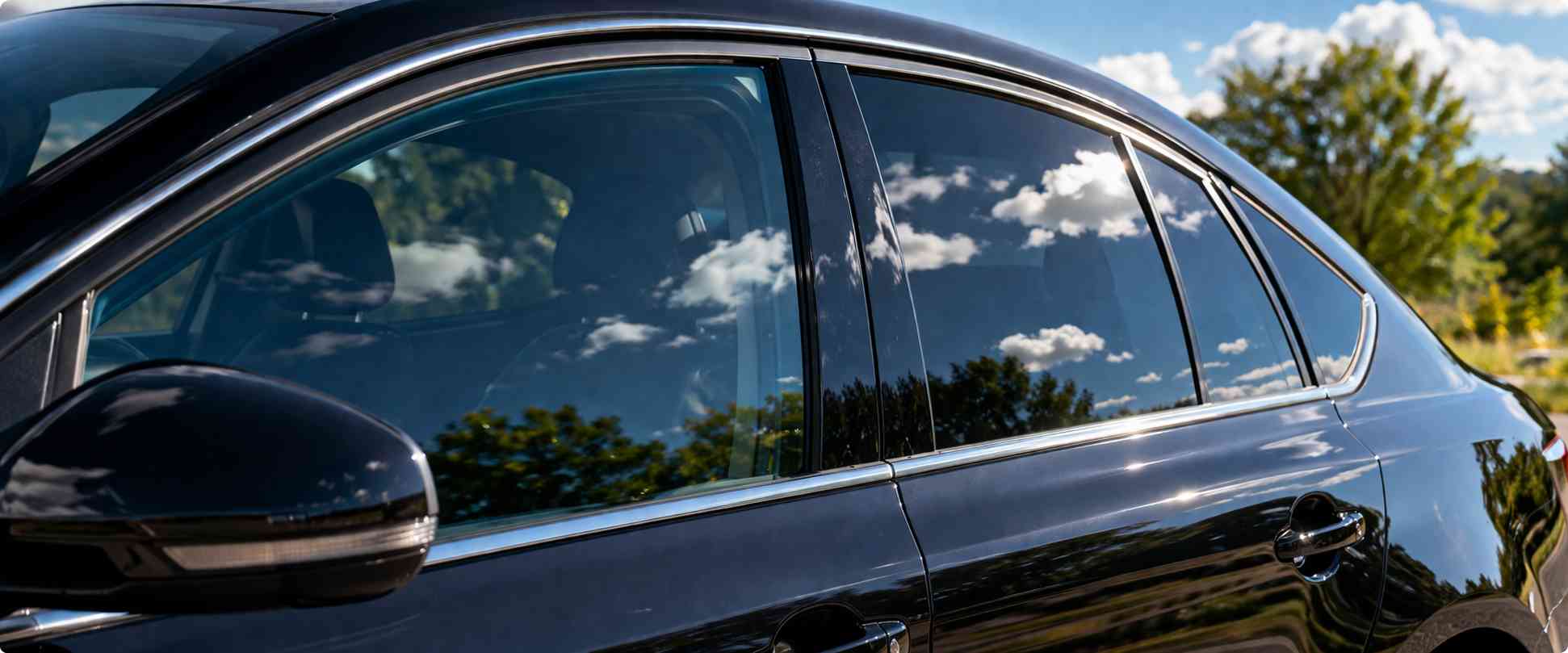
🪟Get a Window Film That Blocks Heat, Not Just Light
Most people think darker glass means a cooler car. It doesn't. Cheap dyed films cut visible light but let infrared (IR) rays through and IR is what actually heats your cabin. A car with dark windows and a basic film can still reach 60°C inside.
What you need is a film that rejects infrared specifically. Cosmo Sunshield which is built with advanced
nano ceramic films that target infrared rays specifically and stops the heat before it gets in.
Why is Cosmo Sunshield the best window film for heat reduction in hot climates?
99% UV Rays Blocked | 95% IR Heat Rejected | 80% Interior Heat Reduction | 20% AC Load Savings |
A cooler cabin, an AC that recovers faster, and less UV damage to your leather and dashboard. It also adds shatter resistance and comes in variants within India's legal VLT limits.
🚗 Give the Paint Some Protection
UV damage to paint is slow and cumulative. It builds across months of sun exposure until the paint looks dull and faded. By the time it shows, correction is expensive.
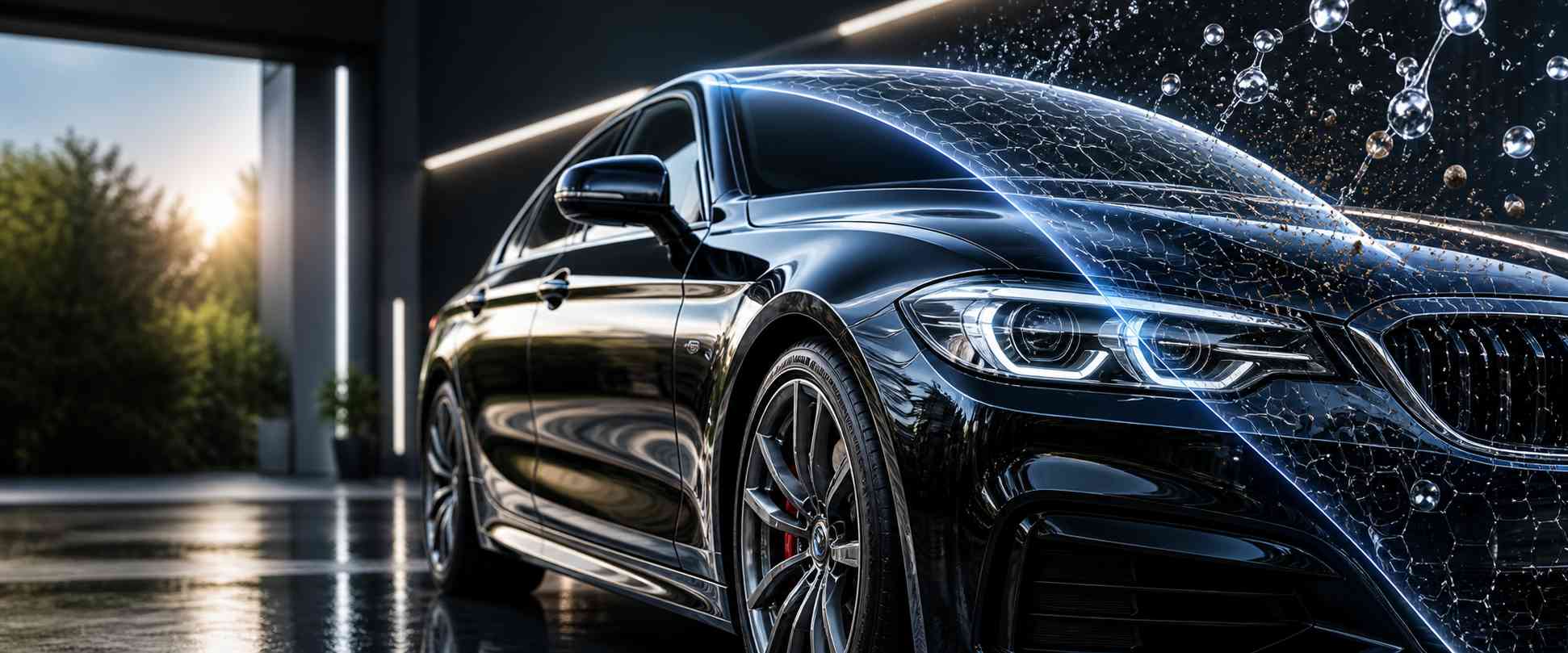
A coat of carnauba wax before summer gives the paint a protective layer that takes the UV hit instead. It lasts 6–8 weeks. For longer coverage, ceramic coating bonds to the clear coat and holds for 1–2 years bird droppings and tree sap wipe off instead of etching in.
Wash at least once a week with a pH-neutral shampoo and a microfiber mitt. Always in shade water droplets on a hot panel act like tiny magnifying glasses and leave mineral deposits that dull the finish over time.
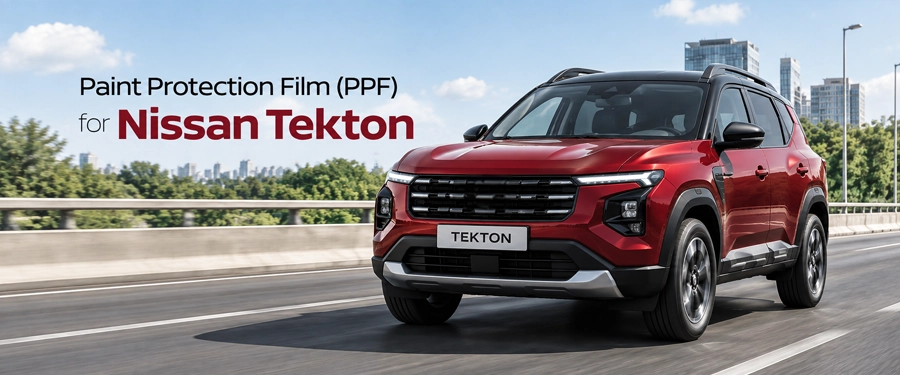
For more durable, physical protection, Paint Protection Films, commonly known as
Paint Protection Film (PPF), add an invisible layer over the paint to guard against scratches, stone chips, and environmental damage. Globally trusted options such as
Cosmo PPF etc are designed to maintain the original finish while reducing long term wear.
🔧 Keep the Engine from Overheating
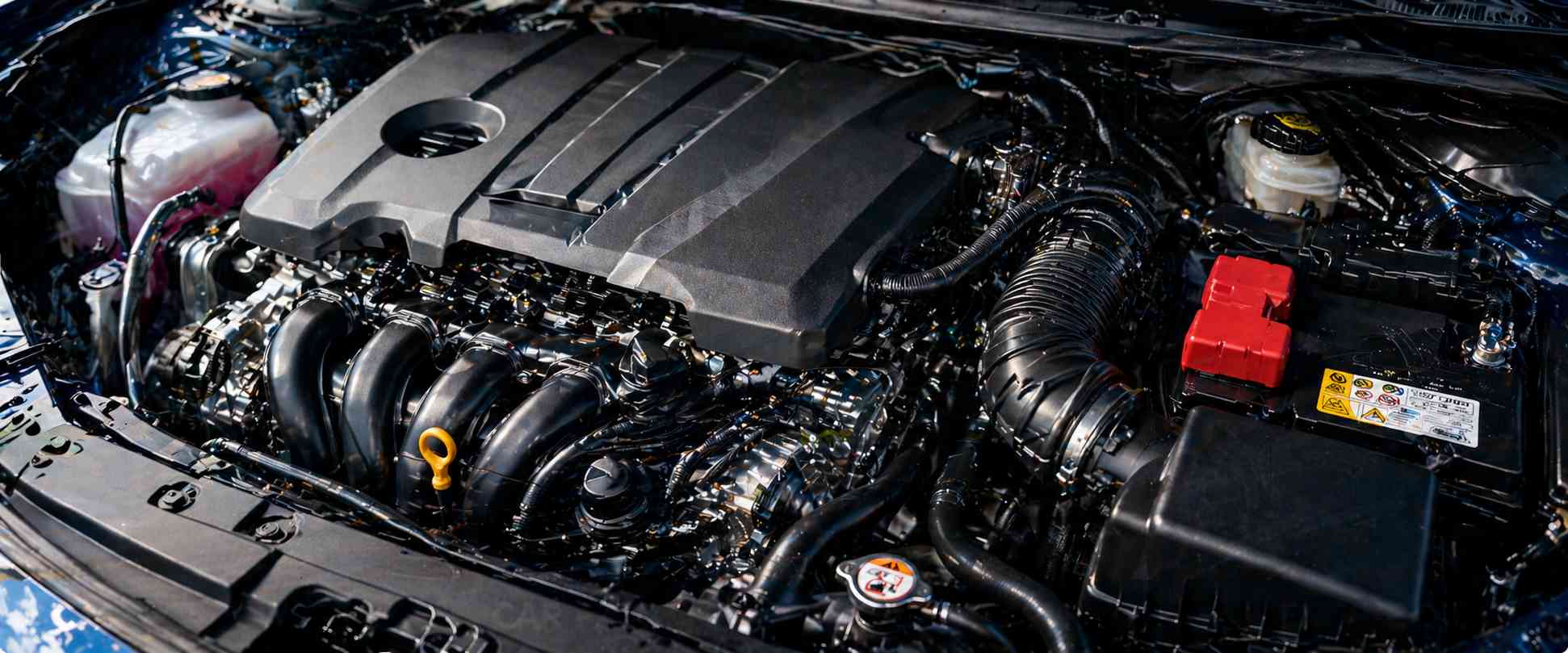
Engine overheating is the most common cause of summer breakdowns in India and it almost always starts with low coolant. Check the coolant reservoir every two weeks when the engine is cold. Top it up with the right coolant grade, not plain water.
If your car is over 3 years old, get the radiator inspected before the season peaks. Slow leaks and blockages don't show up until the temperature gauge spikes by then, the damage is already done.
❄️ Don't Wait to Get the AC Checked
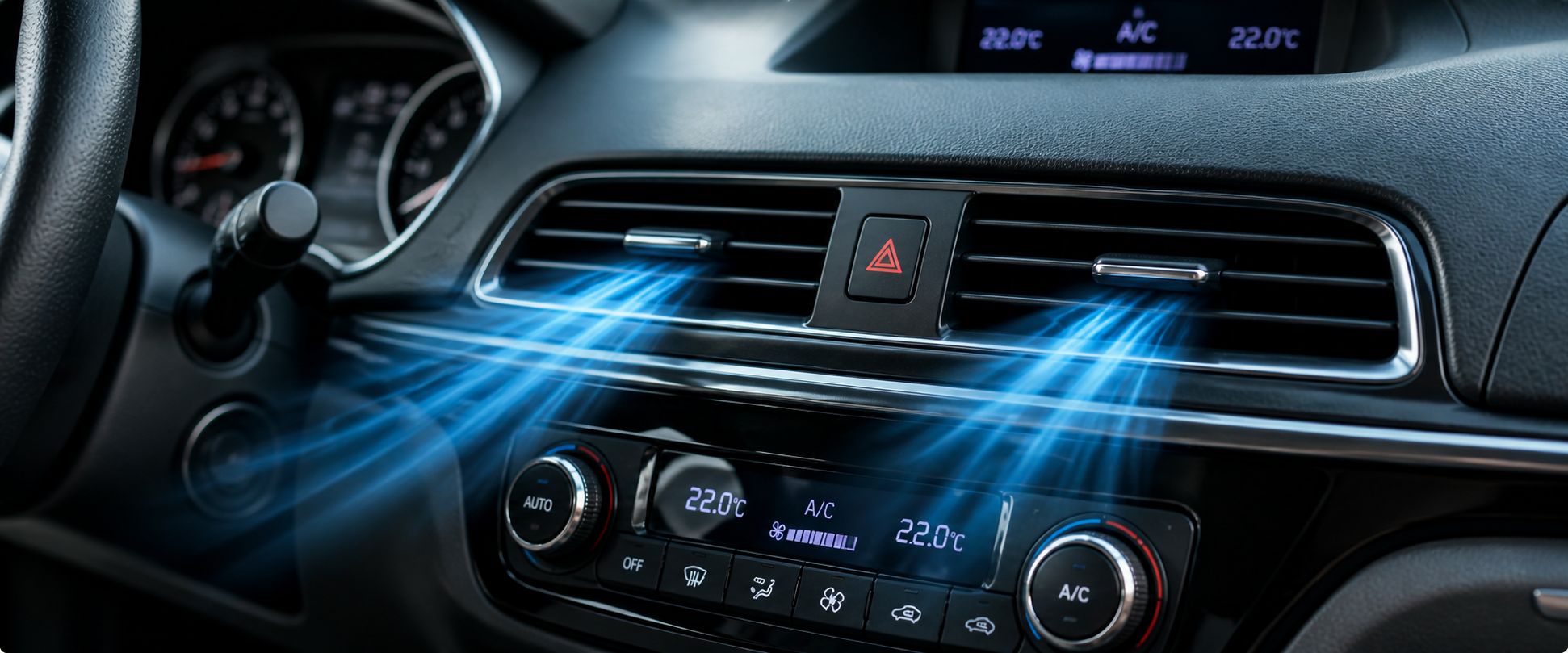
Once the heat sets in, every service centre gets flooded with AC complaints. Getting it done early means a proper inspection of refrigerant levels, compressor oil, condenser cleaning, and cabin filter replacement. The cabin filter especially tends to get overlooked. A clogged one reduces airflow noticeably and means you're breathing whatever slips through. It costs ₹300–800 and takes 10 minutes to swap.
🛞 Tyre Pressure Matters More in Summer
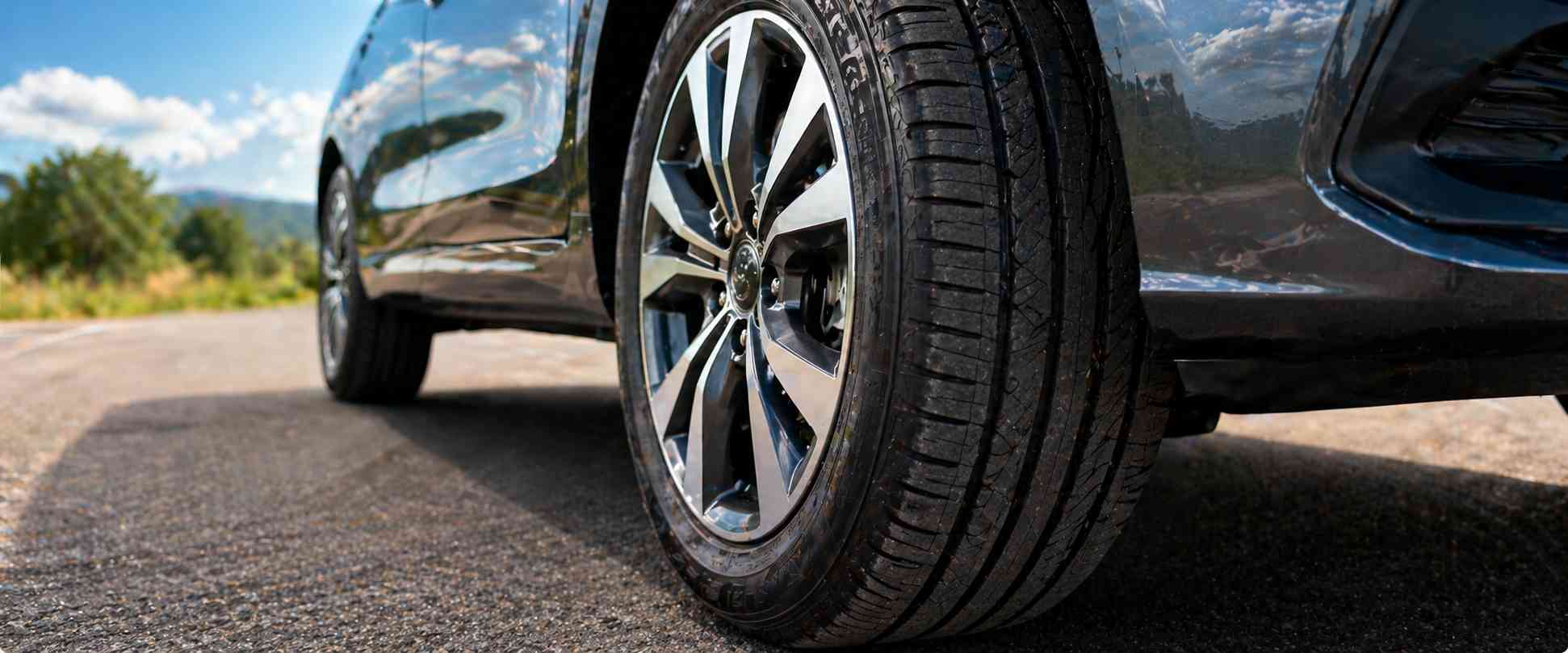
Most tyre bursts in summer come from underinflation, not overinflation. When a tyre runs low, its sidewalls flex more with every rotation. On roads hitting 60°C, that flexing builds up heat fast and the tyre fails. Keep pressure 3–5 psi above the cold-tyre recommendation on your door sticker and check it weekly.
Once a month, look at the sidewalls. A bulge or a crack means the tyre won't last much longer. Don't ignore it before a highway trip. And check the spare as most people only remember it when it’s too late.
🔋Your Battery Hates Summer Too
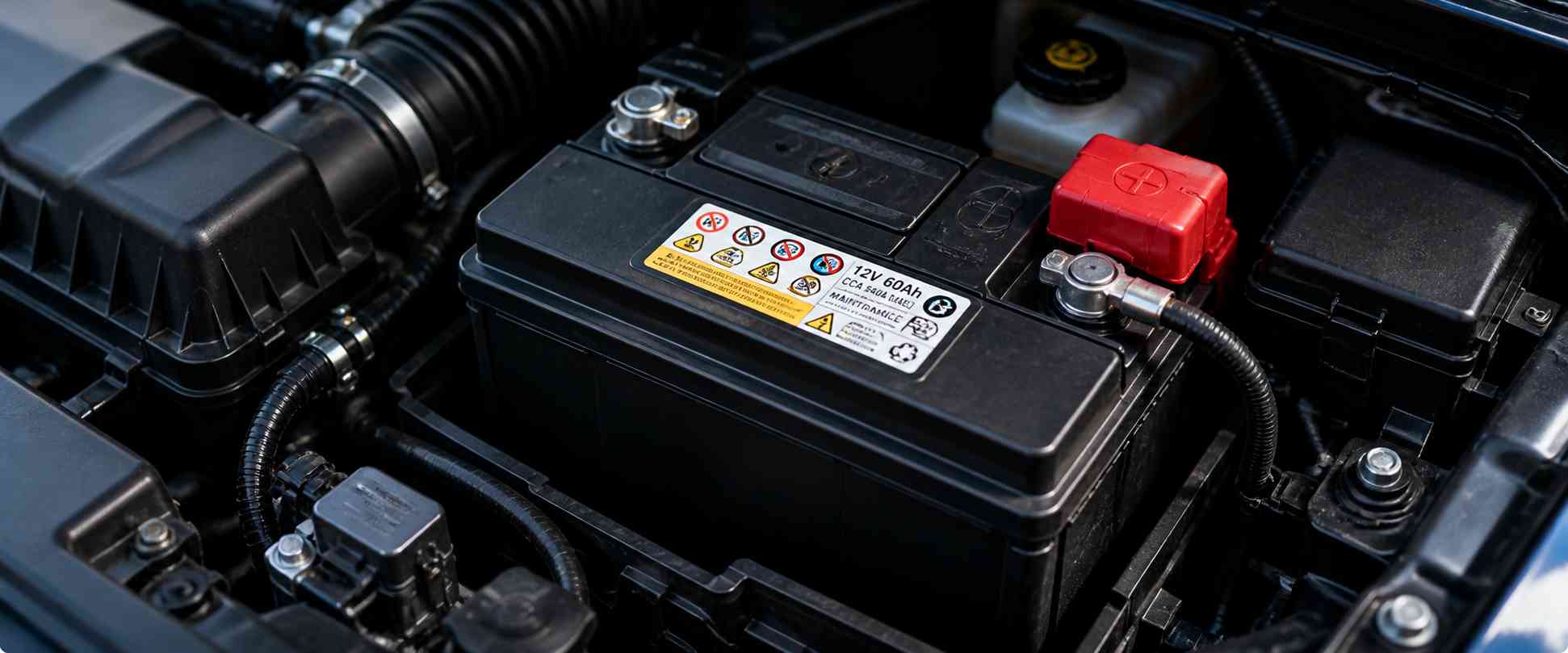
People assume batteries fail in winter. In India, summer is just as hard on them. Heat speeds up internal chemical reactions, causes fluid to evaporate faster, and leads to overcharging all of which shorten battery life. A battery that's already marginal going into summer often doesn't make it out.
Get a load test done early in the season. It takes 10 minutes. If the battery is 3 years or older, replacing it now is smarter than risking a failure on a hot day.
🪑The Interior Needs Attention Too
A car parked in the open in Indian summer can reach 65–70°C inside. Dashboards warp, leather cracks, and adhesives soften. None of it is visible day to day, until it is.
A reflective windshield sunshade cuts cabin temperature by up to 20°C. Keep it on the passenger seat so there's no excuse to skip it. Apply a UV-blocking leather conditioner to seats before the season, leather that's conditioned won't crack. A UV protectant spray on the dashboard prevents the chalky, faded look that ages interiors fast and quietly eats into resale value.
💧Check Every Fluid, Not Just the Oil
Apply a UV-blocking leather conditioner to seats before the season starts, a leather that's conditioned won't crack. A UV protectant spray on the dashboard prevents the chalky, faded look that ages interiors fast and quietly eats into resale value.
Engine oil gets all the attention. But brake fluid, power steering fluid, and washer fluid all degrade faster in heat and they matter just as much.
Brake fluid is the easiest one to overlook and the most dangerous to ignore. It absorbs moisture over time, which lowers its boiling point. Under sustained heat, degraded fluid can boil in the brake lines and then you press the pedal and get almost no response. Get it checked at your pre-summer service.
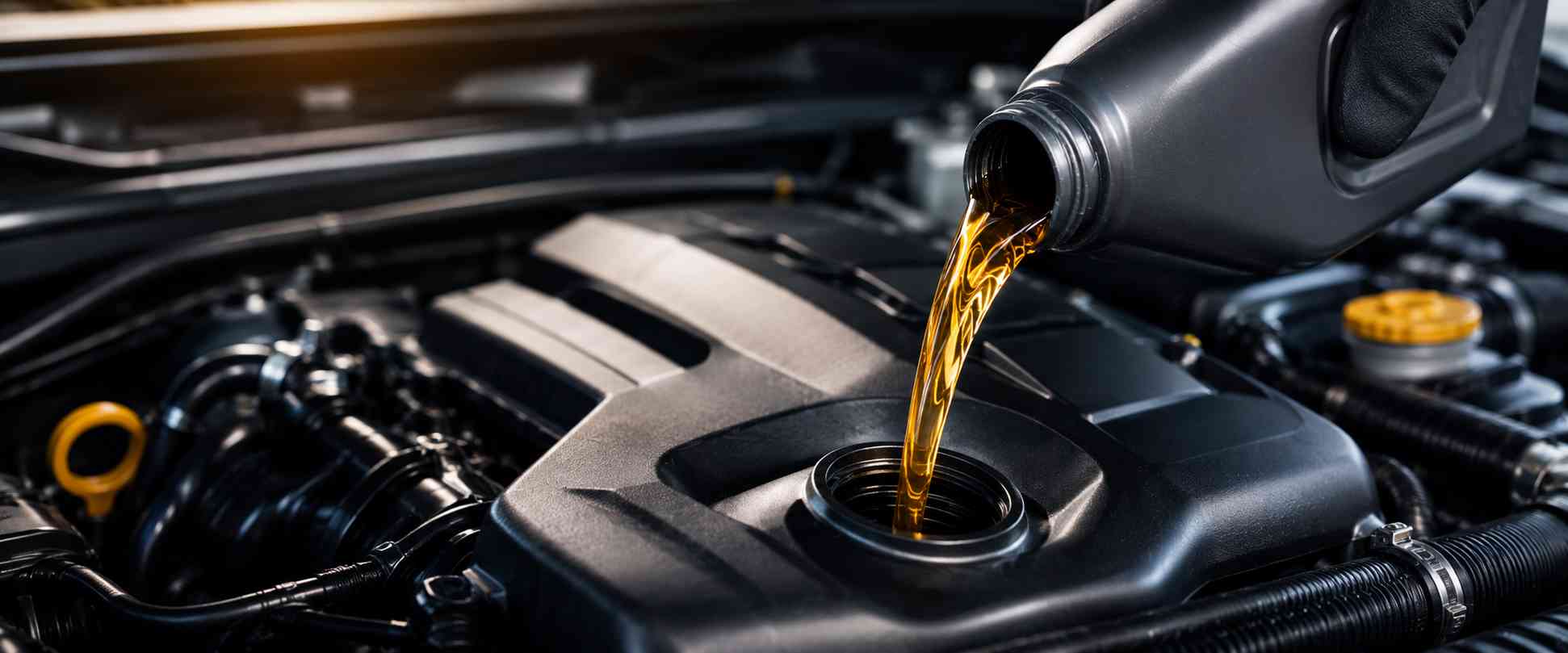
For engine oil, pull the dipstick and check the level and colour. Amber to dark brown is fine. Black and gritty means it's overdue. Ask your mechanic about a higher-viscosity grade for summer if you're approaching a service interval.
✅ Summer Car Checklist 2026
- Radiator inspected (3+ year cars)
- AC serviced — gas, oil, and condenser
- Cabin air filter replaced
- Battery load tested, terminals cleaned
- Battery replaced if 3+ years old
- Tyre pressure set (3–5 psi above cold)
- Tyre sidewalls checked for damage
- Spare tyre pressure verified
- Install a heat-rejecting window film
- Leather conditioned, dashboard treated
- Brake & power steering fluid checked
- Coolant checked every 2 weeks
Keeping Your Car Summer-Ready
Summer damage rarely shows up all at once. It builds over time through constant exposure to heat, dust, and daily use. Protecting your car in summer starts with small, consistent steps that prevent stress from building up. These summer car care tips help reduce long-term damage while keeping your car reliable through extreme conditions. Simple car care in summer can prevent costly repairs, whether it’s maintaining fluids, managing tyre pressure, or reducing cabin heat.
Additions like heat rejecting window films, including options such as Cosmo Sunshield, also help create a more comfortable and controlled driving experience. In the end, consistency makes the difference. The right care at the right time keeps your car running smoothly, even when the temperatures are anything but forgiving.
💬 FAQ's Summer Car Care Tips
Q. How do I protect my car from summer heat in India?
Check coolant regularly, service the AC early, maintain tyre pressure, test your battery, install a window film like Cosmo Sunshield, and use a windshield sunshade every time you park.
Q. What tyre pressure should I maintain in Indian summer?
Keep tyre pressure 3–5 psi above the cold-tyre recommendation. Underinflated tyres overheat on hot roads and are the leading cause of tyre bursts in summer.
Q. How often should I check engine coolant in summer?
Every two weeks, when the engine is cold. Always use the correct coolant grade not just plain water. Get the radiator inspected if your car is over 3 years old.
Q. Does summer heat damage car batteries?
Yes. Heat speeds up fluid evaporation and internal chemical reactions inside batteries, shortening their life. Get a load test early in the season and replace any battery that's 3+ years old.
Q. Is ceramic coating worth it for Indian summers?
Yes. Ceramic coating bonds to the clear coat repels UV damage, bird droppings, and tree sap far better than bare paint or regular wax but it doesn’t last longer than 2 years. Therefore, it is better to get Paint Protection Film (PPF) done, one of the best Indian brands are Cosmo PPF, which provides up to lifetime warranty.
Q. How do I keep my car cool inside in summer?
Use a windshield sunshade every time you park, install Cosmo Sunshield window film to block infrared heat, and open windows for 2–3 minutes before switching on the AC.